3400 NE 12th Ave Ste B, Oakland Park, FL 33334



How Long Does the Dental Implant Process Take?
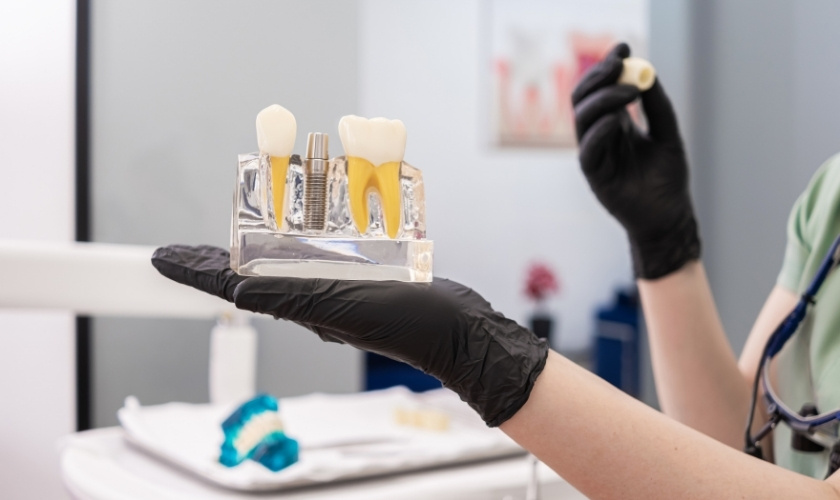


Dental implants are one of the most reliable and long-lasting solutions for replacing missing teeth. Understanding the timeline involved helps patients plan better and feel confident about the journey ahead. The process is completed in stages to ensure proper healing, stability, and long-term success.
Understanding the Dental Implant Timeline
The total duration of dental implant treatment can range from a few months to over a year, depending on individual oral health, bone condition, and the complexity of the case. Each phase plays a crucial role in achieving a strong and natural-looking result.
1. Initial Consultation and Planning (1–2 Weeks)
The journey begins with a comprehensive consultation that includes digital imaging, X-rays, and a detailed oral evaluation. The dentist assesses bone density, gum health, and overall oral condition to create a personalized treatment plan.
At this stage, patients visiting Dr. Max Zaslavsky in Oakland Park, FL, receive a tailored roadmap that outlines every step of the procedure. This phase ensures that the treatment proceeds safely and efficiently.
2. Tooth Extraction (If Needed) (1–3 Weeks Healing)
If a damaged or decayed tooth needs to be removed, extraction is performed before placing the implant. Healing time varies depending on the complexity of the extraction and the patient’s overall health.
In some cases, implants can be placed immediately after extraction, but often a short healing period is recommended to allow the area to stabilize.
3. Bone Grafting (If Required) (3–6 Months)
Patients with insufficient jawbone density may require a bone graft to strengthen the area where the implant will be placed. This step is essential for ensuring that the implant has a stable foundation.
Bone grafting significantly increases the overall treatment timeline, as the graft needs time to integrate with the natural bone. However, it greatly improves the long-term success of the implant.
4. Implant Placement Surgery (1-Day Procedure)
The dental implant, a small titanium post, is surgically placed into the jawbone. This procedure is typically completed in a single visit under local anesthesia or sedation.
After placement, the implant begins a process called osseointegration, where it fuses with the jawbone. This step is critical for creating a durable and permanent base for the replacement tooth.
Patients considering Dental Implant treatment can expect this stage to be comfortable, with minimal downtime and clear post-operative care instructions.
5. Osseointegration (3–6 Months)
Osseointegration is the longest phase of the dental implant process. During this period, the implant bonds with the bone, creating a strong anchor for the artificial tooth.
The healing time depends on factors such as bone quality, overall health, and adherence to aftercare guidelines. Regular check-ups ensure that healing progresses as expected.
6. Abutment Placement (2–3 Weeks Healing)
Once the implant has successfully integrated with the bone, an abutment is attached. This small connector piece holds the final crown in place.
The gums are given time to heal around the abutment before moving on to the final restoration stage.
7. Crown Placement (2–3 Weeks)
The final step involves placing a custom-made crown that matches the shape, size, and color of natural teeth. This completes the restoration, providing both functionality and aesthetics.
Patients are encouraged to check our reviews to learn how others in Oakland Park, FL, have experienced successful implant outcomes and regained their confidence.
Factors That Influence the Timeline
While the general process follows a structured path, several factors can affect how long it takes:
- Bone Quality and Density: Strong bone allows for quicker implant placement and healing.
- Number of Implants Needed: Multiple implants may extend the treatment duration.
- Oral Health Condition: Gum disease or infections must be treated before proceeding.
- Healing Ability: Each patient heals at a different pace.
- Additional Procedures: Bone grafting or sinus lifts can add months to the timeline.
Benefits of Taking a Phased Approach
Although the process may seem lengthy, each stage ensures long-term success and stability. Dental implants offer several advantages:
- Natural appearance and feel
- Improved chewing and speech
- Prevention of bone loss
- Long-lasting durability
- Enhanced confidence
Patients who visit our dental office in Oakland Park, FL, often appreciate the structured approach, as it ensures precision and optimal results.
Aftercare and Maintenance
Proper care is essential to maintain the longevity of dental implants. Regular brushing, flossing, and professional cleanings help keep the implant and surrounding tissues healthy.
Routine dental visits allow for early detection of any potential issues and ensure that the implant continues to function effectively for years.
Personalized Care in Oakland Park, FL
Choosing an experienced provider is key to a successful dental implant journey. Dr. Max Zaslavsky focuses on patient-centered care, offering advanced techniques and personalized treatment plans to meet individual needs.
For more information or to begin your implant journey, call +19544913544 and speak with a knowledgeable team member who can guide you through the process and help you book an appointment.
Frequently Asked Questions
- How long does the entire dental implant process usually take?
The complete process can take anywhere from 3 to 12 months. The timeline depends on healing time, bone condition, and whether additional procedures like bone grafting are required. - Is the implant procedure completed in one visit?
The implant placement itself is done in one visit, but the overall treatment includes multiple stages. Healing and integration phases require time before the final crown is placed. - Does everyone need a bone graft before implants?
Not all patients need bone grafting. It is only required when there isn’t enough bone density to support the implant securely and ensure long-term stability. - What is osseointegration, and why is it important?
Osseointegration is the process by which the implant fuses with the jawbone. It provides a strong foundation for the artificial tooth and ensures durability and functionality. - Can the process be faster for some patients?
Yes, patients with healthy gums and strong bone structure may qualify for faster procedures, including same-day implants, reducing the overall treatment time. - Is the healing period painful or uncomfortable?
Most patients experience mild discomfort after surgery, which typically subsides within a few days. Following aftercare instructions helps ensure a smooth recovery. - How long do dental implants last after completion?
Dental implants can last for decades with proper care. Good oral hygiene and regular dental visits play a crucial role in maintaining their longevity.

Join Our Diverse Patient Family
Experience exceptional dental services, tailored to the unique communities of Oakland Park, Ft. Lauderdale, Pompano Beach, and Coconut Creek. Schedule your visit today and join our diverse patient family.