3400 NE 12th Ave Ste B, Oakland Park, FL 33334



How to Remove Black Spots on the Tongue?
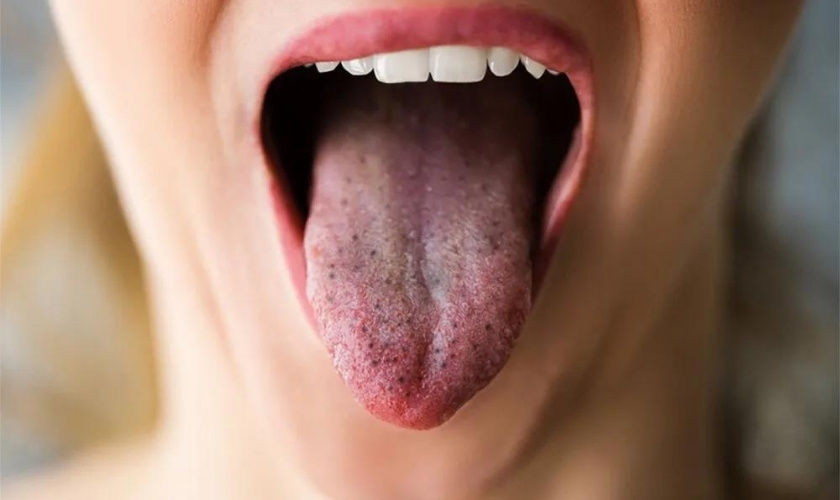


Black spots on the tongue can be surprising and sometimes concerning. In many cases, these dark patches are harmless and linked to lifestyle habits, oral hygiene, or temporary staining. However, understanding the possible causes and learning safe natural remedies can help improve oral health and restore confidence in your smile.
At Dr. Max Zaslavsky, patients in Oakland Park often ask about natural ways to improve tongue discoloration and maintain a healthier mouth. While some conditions require professional care, many mild tongue stains can be managed with simple daily habits.
What Causes Black Spots on the Tongue?
Black spots on the tongue may appear as tiny dots, dark patches, or a coated surface. Several factors can contribute to this condition, including:
- Poor oral hygiene
- Smoking or tobacco use
- Excessive coffee or tea consumption
- Certain medications or antibiotics
- Dry mouth
- Bacterial or fungal buildup
- Pigmentation changes
- Black hairy tongue condition
Sometimes, food particles and dead skin cells become trapped between the tiny bumps on the tongue called papillae. Over time, bacteria and staining substances can darken these areas.
Natural Ways to Remove Black Spots on the Tongue
Improve Daily Oral Hygiene
One of the easiest natural solutions is maintaining excellent oral hygiene. Brush your teeth twice daily and gently clean your tongue using a tongue scraper or soft toothbrush.
Tongue cleaning helps remove bacteria, dead cells, and debris that may contribute to discoloration. Consistency is important for visible improvement.
Stay Hydrated
Dry mouth creates an ideal environment for bacteria to grow. Drinking enough water throughout the day keeps the mouth moist and helps wash away food particles and bacteria naturally.
Hydration also supports saliva production, which protects the mouth and tongue from harmful microorganisms.
Use Salt Water Rinses
Salt water is a simple natural remedy with antibacterial properties. Mix half a teaspoon of salt in warm water and rinse your mouth for 30 seconds.
This can help reduce bacteria and soothe irritation on the tongue. Many people notice fresher breath and improved oral cleanliness after regular rinsing.
Eat Fresh Fruits and Vegetables
Crunchy fruits and vegetables such as apples, carrots, and celery naturally clean the tongue and teeth while chewing. They help reduce plaque buildup and stimulate saliva flow.
Foods rich in vitamin C may also support healthier gums and oral tissues.
Avoid Tobacco Products
Smoking and chewing tobacco are common causes of tongue discoloration. Tobacco stains the tongue and increases bacterial buildup, leading to dark patches and bad breath.
Reducing or eliminating tobacco use can significantly improve tongue appearance and overall oral health.
Limit Dark Beverages
Coffee, black tea, and colored sodas can stain the tongue over time. Try reducing consumption or rinsing your mouth with water after drinking these beverages.
Switching to lighter herbal teas may also help prevent further staining.
Try Probiotic Foods
Probiotic-rich foods such as yogurt may help balance bacteria in the mouth. Healthy bacterial balance can reduce fungal overgrowth and improve tongue health naturally.
Including probiotics in your diet may also support digestion and immune health.
When Black Spots May Need Professional Attention
Although many cases are harmless, persistent black spots should not be ignored. If the discoloration lasts for several weeks, becomes painful, or changes in size or texture, it is important to seek dental evaluation.
Certain oral conditions, infections, or rare medical issues can resemble harmless staining. A professional examination helps determine the exact cause and appropriate treatment.
If you are looking for a dental office in Oakland Park, routine oral exams can help detect abnormalities before they become serious concerns.
Preventing Black Spots on the Tongue
Prevention is often easier than treatment. The following habits can help keep your tongue clean and healthy:
- Brush and floss daily
- Clean your tongue regularly
- Stay hydrated
- Visit your dentist for routine cleanings
- Avoid tobacco products
- Limit staining foods and drinks
- Maintain a balanced diet
Good oral care not only improves tongue appearance but also supports fresh breath and overall dental wellness.
Professional Dental Care Matters
Natural remedies can improve mild discoloration, but professional guidance remains essential when symptoms persist. Dental professionals can identify whether the spots are caused by staining, infections, medication reactions, or other oral health conditions.
The dental practice at Dr. Max Zaslavsky, DMD provides comprehensive oral evaluations to help patients maintain healthier smiles and address unusual tongue discoloration safely.
Patients are encouraged to check our patient reviews to learn more about the quality of care and patient experiences in the Oakland Park area.
For appointments or inquiries, contact the office at (954) 491-3544 to discuss oral health concerns with a qualified dental professional.
Maintaining a healthy tongue is an important part of overall wellness. Simple natural habits combined with regular dental care can often reduce black spots and support a cleaner, fresher mouth for the long term.
Frequently Asked Questions
1. Are black spots on the tongue always harmful?
Most black spots are harmless and linked to staining, bacteria, or hygiene habits. Persistent or painful spots may require a dental examination for proper diagnosis.
2. Can poor oral hygiene cause black spots on the tongue?
Yes, inadequate brushing and tongue cleaning can allow bacteria and debris to build up, leading to discoloration and dark patches on the tongue.
3. Does smoking make tongue discoloration worse?
Smoking and tobacco products commonly stain the tongue and increase bacterial growth, which can contribute to black or dark spots over time.
4. Can dehydration affect tongue color?
A dry mouth reduces saliva production, allowing bacteria to multiply more easily and increasing the chance of tongue discoloration or coating.
5. How often should I clean my tongue?
Cleaning your tongue once or twice daily with a tongue scraper or soft toothbrush helps remove buildup and supports better oral hygiene.
6. Can diet help improve black spots on the tongue?
Eating crunchy fruits, vegetables, and probiotic-rich foods may support healthier oral bacteria balance and help reduce mild tongue staining naturally.
7. When should I see a dentist for black spots on the tongue?
If black spots remain for several weeks, become painful, bleed, or change in appearance, a dental evaluation is recommended for proper assessment.

Join Our Diverse Patient Family
Experience exceptional dental services, tailored to the unique communities of Oakland Park, Ft. Lauderdale, Pompano Beach, and Coconut Creek. Schedule your visit today and join our diverse patient family.