3400 NE 12th Ave Ste B, Oakland Park, FL 33334



Knocked-Out Tooth? What to Do in the First 30 Minutes
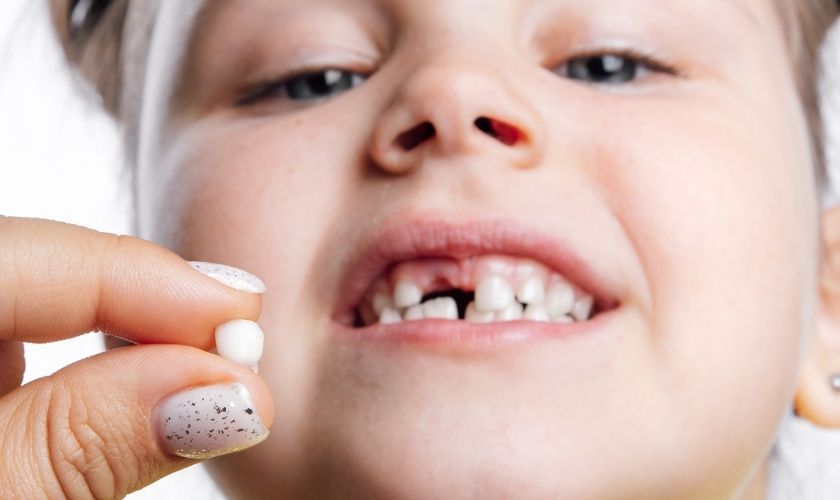


A knocked-out tooth can be one of the most alarming dental emergencies. Whether it happens during a sports game, a fall, or an unexpected accident, the actions you take in the first 30 minutes can significantly affect whether the tooth can be saved. Staying calm and responding quickly helps protect your oral health while improving the chances of successful treatment.
For families seeking emergency dentistry in Oakland Park, understanding the right steps before reaching a dental professional can make all the difference.
Why the First 30 Minutes Matter
A permanent tooth that has been completely knocked out still has a chance of being successfully reattached if it is handled properly and treated promptly. The living cells on the root surface begin to deteriorate once the tooth is outside the mouth. Immediate care helps preserve these cells and supports better healing.
Children and adults alike should know that baby teeth should not be reinserted, while permanent teeth often can be saved with timely treatment.
Step 1: Stay Calm and Find the Tooth
The first priority is locating the tooth. Pick it up carefully by the crown, which is the visible white chewing surface. Avoid touching the root because it contains delicate tissues that are essential for successful reattachment.
If the tooth has dirt or debris on it, rinse it gently with clean water for just a few seconds. Do not scrub it, use soap, or wrap it in tissue.
Step 2: Try to Place the Tooth Back
If the tooth is a permanent tooth and the person is conscious and cooperative, carefully place it back into its socket. Make sure it faces the correct direction.
Once it is back in place:
- Bite gently on clean gauze or a soft cloth.
- Keep steady pressure to help hold the tooth in position.
- Avoid excessive movement.
This is often the best way to preserve the tooth until professional treatment is available.
Step 3: Keep the Tooth Moist
If reinserting the tooth isn’t possible, keeping it moist is the next best option.
Suitable storage options include:
- Cold milk
- Saline solution
- A tooth preservation kit, if available
- Inside the person’s cheek (only if they are old enough not to swallow it)
Never allow the tooth to dry out, and avoid storing it in plain tap water for extended periods because it can damage the root cells.
Step 4: Control Any Bleeding
It’s normal for some bleeding to occur after a tooth is knocked out.
To help manage it:
- Apply gentle pressure using clean gauze.
- Hold the gauze in place for several minutes.
- Use a cold compress on the outside of the face to reduce swelling.
If heavy bleeding continues or other facial injuries are present, immediate medical attention may also be necessary.
Step 5: Seek Professional Care Immediately
Even if the tooth appears secure after reinsertion, professional evaluation is still necessary. A dentist will examine the socket, surrounding tissues, and neighboring teeth to identify any hidden injuries.
At Dr. Max Zaslavsky, DMD, patients receive prompt evaluation for dental trauma, helping improve the likelihood of saving injured teeth through timely care.
What Not to Do
Certain mistakes can reduce the chances of saving a knocked-out tooth.
Avoid:
- Touching or scrubbing the root
- Letting the tooth dry out
- Using hot water to clean it
- Wrapping the tooth in dry tissue
- Delaying treatment for several hours
Even if pain seems minor, internal damage may still exist.
Can Every Knocked-Out Tooth Be Saved?
Unfortunately, not every tooth can be successfully replanted. Success depends on several factors, including:
- How quickly treatment begins
- The condition of the tooth
- How the tooth was stored
- Damage to the surrounding bone or gums
- Overall oral health
Prompt action dramatically improves the likelihood of preserving the natural tooth.
Preventing Dental Injuries
Although accidents cannot always be avoided, a few preventive measures reduce the risk:
- Wear mouthguards during contact sports.
- Use seat belts while driving.
- Childproof areas where young children play.
- Avoid using teeth to open packages or bottles.
- Address weakened or loose teeth before they become vulnerable to injury.
Preventive habits help protect your smile throughout every stage of life.
When Every Minute Counts
A knocked-out tooth should never be ignored. Quick thinking, careful handling, and immediate professional attention provide the best opportunity for saving the tooth. Knowing what to do during those critical first 30 minutes can reduce complications and improve long-term outcomes.
If you experience a dental injury, Dr. Max Zaslavsky, DMD, provides compassionate care from a trusted dental office in Oakland Park. For immediate assistance, call (954) 491-3544.
Frequently Asked Questions
1. Can a knocked-out permanent tooth be saved?
Yes. A permanent tooth has the highest chance of successful reattachment when it is handled properly and treated within about 30 to 60 minutes after the injury.
2. Should I clean a knocked-out tooth before putting it back?
If needed, gently rinse the tooth with clean water for a few seconds. Avoid scrubbing, brushing, or using chemicals because they can damage the living cells on the root.
3. Is milk really a good place to store a knocked-out tooth?
Yes. Cold milk helps protect the cells on the root surface better than dry storage and is commonly recommended when reinserting the tooth isn’t possible.
4. What if I accidentally touch the root?
Touching the root doesn’t always prevent successful treatment, but repeated handling can damage important cells that help the tooth reattach properly.
5. Can a baby tooth be put back into the socket?
No. Baby teeth should not be reinserted because doing so may harm the developing permanent tooth underneath the gums.
6. Will a knocked-out tooth always require a root canal?
Not always. The need for additional treatment depends on the patient’s age, the condition of the tooth, and how quickly professional care is received.
7. Can other teeth be damaged during the same injury?
Yes. Even if only one tooth is knocked out, nearby teeth, gums, bone, or soft tissues may also be injured and should be carefully evaluated after the accident.

Join Our Diverse Patient Family
Experience exceptional dental services, tailored to the unique communities of Oakland Park, Ft. Lauderdale, Pompano Beach, and Coconut Creek. Schedule your visit today and join our diverse patient family.