3400 NE 12th Ave Ste B, Oakland Park, FL 33334



Smoking Can Put Your Dental Implants at Risk
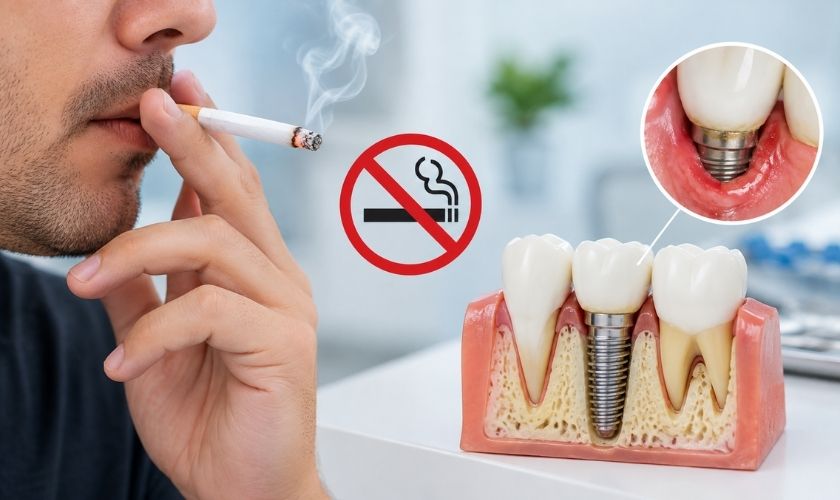


Dental implants can provide a durable way to replace missing teeth and restore everyday function. However, the success and long-term health of an implant can be affected by lifestyle habits, particularly smoking. Tobacco use can interfere with the healing process, affect the tissues around an implant, and increase the risk of complications. For patients in Oakland Park, FL, understanding these risks can help support better oral health decisions before and after implant treatment.
How Smoking Affects Dental Implant Healing
After an implant is placed, the surrounding jawbone needs time to heal and form a strong connection with the implant. This process, known as osseointegration, is important for creating a stable foundation for the replacement tooth.
Smoking can interfere with this healing process. Nicotine can reduce blood flow to oral tissues, limiting the oxygen and nutrients needed for recovery. Chemicals in tobacco smoke may also affect the body’s ability to respond to injury and fight infection. As a result, smokers may face a greater risk of delayed healing or implant-related complications.
Increased Risk of Implant Failure
One of the major concerns associated with smoking is an increased risk of implant failure. When an implant does not properly integrate with the surrounding bone, it may become loose or fail to provide the necessary support.
Smoking does not mean that an implant will definitely fail, but it can make successful healing more challenging. The amount and duration of tobacco use, overall oral health, and other individual factors can influence the level of risk.
Smoking and Gum Health Around Implants
Healthy gums are important for maintaining dental implants. Smoking can contribute to gum inflammation and make it more difficult for the body to respond effectively to harmful bacteria.
Around an implant, inflammation and infection can damage the tissues and bone that support it. A condition called peri-implantitis can develop when inflammation around an implant progresses and begins affecting the supporting bone. Regular dental examinations can help identify changes around implants before they become more serious.
Smoking After Implant Placement
Continuing to smoke after implant placement can create additional challenges during recovery. Tobacco exposure may slow tissue healing and increase the likelihood of inflammation or infection.
Patients considering dental implant treatment should discuss their smoking habits openly with their dental professional. Depending on the individual’s circumstances, a dental provider may recommend reducing or stopping tobacco use before treatment and throughout the healing period. Following post-treatment instructions carefully can also support the recovery process.
Benefits of Stopping or Reducing Smoking
Quitting smoking can provide important benefits for oral health and overall wellness. For implant patients, avoiding tobacco can support healthier gums and improve the environment in which the implant needs to heal.
If quitting completely feels difficult, discussing available cessation options with a healthcare professional can be a useful starting point. Even when a patient has smoked for many years, making changes can still be beneficial. A dental professional can also provide guidance tailored to the patient’s treatment plan and oral health needs.
Protecting Your Dental Implant Long Term
Good daily oral hygiene remains important after an implant has healed. Brushing twice a day, cleaning between teeth, attending regular dental appointments, and following professional recommendations can help keep the gums and supporting tissues healthy.
Patients in Oakland Park, FL, should also be aware that warning signs such as persistent swelling, bleeding, discomfort, or implant looseness should not be ignored. Early evaluation can help determine whether inflammation or another issue is affecting the implant.
Talk With a Dental Professional
Smoking is an important factor to consider when planning and maintaining dental implants. While individual outcomes vary, tobacco use can interfere with healing and contribute to problems affecting the tissues and bone surrounding an implant.
Dr. Max Zaslavsky, DMD, can help patients understand their oral health needs and discuss factors that may affect implant treatment. Contact us to learn more about maintaining your oral health and protecting your investment in tooth replacement.
For patients considering implant care in Oakland Park, FL, it is also helpful to visit our dental clinic for professional evaluation and personalized guidance. Taking care of your gums, following aftercare instructions, and addressing tobacco use can all play a role in supporting healthier implant outcomes.

Join Our Diverse Patient Family
Experience exceptional dental services, tailored to the unique communities of Oakland Park, Ft. Lauderdale, Pompano Beach, and Coconut Creek. Schedule your visit today and join our diverse patient family.