General Dentistry



Why Do My Teeth Hurt When I Bite Down?
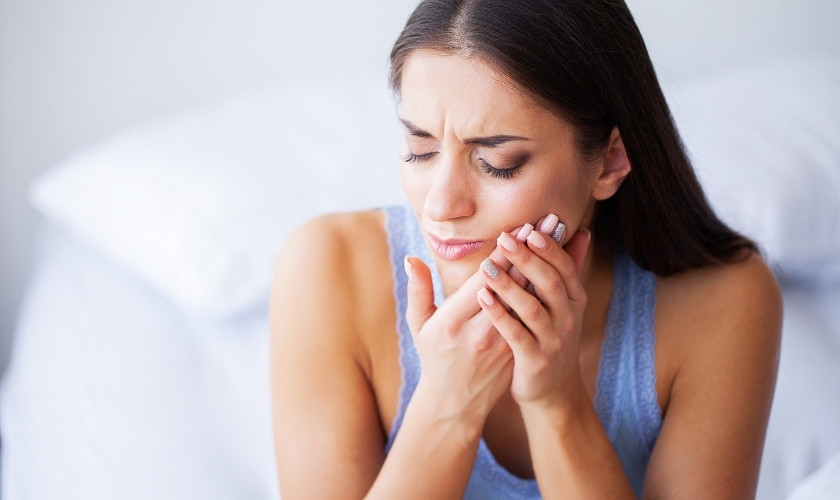


Tooth pain when biting down can turn everyday activities like eating or drinking into an uncomfortable experience. Some people feel a sharp jolt of pain, while others notice lingering soreness or pressure when chewing. In many cases, this discomfort is a sign that something inside the tooth or surrounding gums needs attention. Understanding the possible causes can help you know when it is time to seek professional dental care in Oakland Park.
At Dr. Max Zaslavsky, patients often ask why a tooth suddenly hurts when pressure is applied. The answer can vary depending on the condition of the tooth, gums, or jaw.
Common Reasons Teeth Hurt When Biting Down
Tooth Decay or Cavities
One of the most common causes of pain while chewing is tooth decay. Cavities weaken the enamel and expose the sensitive inner layers of the tooth. When you bite down, pressure can irritate the nerve, causing discomfort or sharp pain.
If left untreated, decay can spread deeper into the tooth and lead to infection. Early treatment can often prevent more serious dental procedures later.
Cracked or Fractured Teeth
A small crack in a tooth may not always be visible, but it can cause significant pain when biting. Pressure from chewing can force the crack to open slightly, irritating the nerves inside the tooth.
Cracked teeth may happen due to:
- Biting hard foods
- Teeth grinding
- Sports injuries
- Sudden trauma
Pain from a cracked tooth may come and go, making it difficult to identify without a dental exam.
Gum Disease
Inflamed or infected gums can also cause pain when chewing. Gum disease weakens the tissue supporting the teeth and may lead to tenderness, swelling, or bleeding.
As the condition progresses, the bone supporting the teeth can become damaged, making teeth feel loose or painful when pressure is applied.
Tooth Abscess or Infection
A tooth infection can create intense pain, especially while eating. An abscess forms when bacteria enter the pulp inside the tooth. The infection may cause:
- Swelling
- Throbbing pain
- Sensitivity to temperature
- Bad taste in the mouth
- Pain while biting
Dental infections should never be ignored because they can spread to nearby tissues.
Teeth Grinding (Bruxism)
Many people grind or clench their teeth during sleep without realizing it. Over time, this habit places excessive pressure on the teeth and jaw muscles, leading to soreness and bite pain.
Grinding can also wear down enamel and increase the risk of fractures or sensitivity.
Damaged Fillings or Dental Work
Old fillings, crowns, or bridges may loosen or crack over time. When dental restorations no longer fit properly, biting pressure may irritate the tooth underneath.
Even a small shift in a filling can create discomfort while chewing.
Signs You Should Not Ignore
Occasional mild sensitivity may not always signal a major issue, but persistent pain should be evaluated by a dentist. Symptoms that may require professional attention include:
- Sharp pain while chewing
- Swelling around the gums
- Sensitivity to hot or cold foods
- Persistent toothache
- Pain that wakes you at night
- Loose teeth
- Fever or facial swelling
Ignoring these warning signs can allow the problem to worsen.
How Dentists Diagnose Bite Pain
Dental professionals use several methods to identify the source of tooth pain. During an examination, your dentist may:
- Inspect the teeth and gums
- Take dental X-rays
- Check for cracks or fractures
- Evaluate bite alignment
- Test tooth sensitivity
A proper diagnosis is important because different dental conditions can produce similar symptoms.
Treatment Options for Pain When Biting Down
The right treatment depends on the underlying cause of the discomfort.
Dental Fillings
If decay is responsible for the pain, removing the cavity and placing a filling can restore the tooth and reduce sensitivity.
Root Canal Therapy
When infection reaches the inner pulp of the tooth, root canal treatment may be necessary. This procedure removes infected tissue and helps save the natural tooth.
Dental Crowns
Cracked or weakened teeth are often protected with crowns. Crowns restore strength and reduce pain during chewing.
Gum Disease Treatment
Professional cleanings and periodontal care can help reduce gum inflammation and improve oral health.
Night Guards for Teeth Grinding
Custom night guards help protect teeth from grinding damage and reduce pressure on the jaw and teeth.
Ways to Prevent Tooth Pain
While not all dental problems are avoidable, good oral habits can lower your risk of developing pain when biting down.
Helpful prevention tips include:
- Brush twice daily with fluoride toothpaste
- Floss every day
- Avoid chewing ice or hard objects
- Wear a mouthguard during sports
- Visit your dentist regularly
- Address dental pain early before it worsens
Routine dental visits help detect issues before they become more serious and costly.
When to See a Dentist
Tooth pain while chewing is often your body’s way of signaling that something is wrong. Even mild discomfort can indicate hidden decay, infection, or structural damage.
If the pain lasts more than a day or becomes more intense, scheduling a dental evaluation is recommended. Early care may help preserve your natural tooth and prevent complications.
Patients in Oakland Park looking for professional dental care can visit Dr. Max Zaslavsky for a thorough examination and personalized treatment options. Check our reviews, book an appointment.
Frequently Asked Questions
1. Why does my tooth only hurt when I chew?
Pain during chewing often points to a cavity, cracked tooth, loose filling, or infection. Pressure from biting can irritate sensitive nerves inside the tooth.
2. Can sinus problems cause tooth pain when biting?
Yes, sinus pressure can affect the upper teeth because the sinus cavities sit close to the tooth roots. This may create discomfort while chewing or bending forward.
3. Is tooth pain while biting considered an emergency?
It depends on the cause. Severe pain, swelling, fever, or pus may indicate infection and should be treated quickly to avoid complications.
4. Why does my filled tooth hurt when I bite down?
A filling may be too high, loose, or the tooth may still have underlying decay or nerve irritation causing discomfort during chewing.
5. Can teeth grinding make my teeth sore?
Yes, grinding or clenching puts repeated pressure on teeth and jaw muscles, often leading to soreness, sensitivity, and bite pain over time.
6. Will a cracked tooth heal on its own?
No, cracked teeth do not repair themselves naturally. Dental treatment is usually needed to prevent worsening damage or infection.
7. How can I relieve tooth pain before seeing a dentist?
Rinsing with warm salt water, avoiding hard foods, and using over-the-counter pain relief may temporarily reduce discomfort until treatment is provided.

Join Our Diverse Patient Family
Experience exceptional dental services, tailored to the unique communities of Oakland Park, Ft. Lauderdale, Pompano Beach, and Coconut Creek. Schedule your visit today and join our diverse patient family.