3400 NE 12th Ave Ste B, Oakland Park, FL 33334



Chipped Tooth vs. Broken Tooth: When Is It an Emergency?
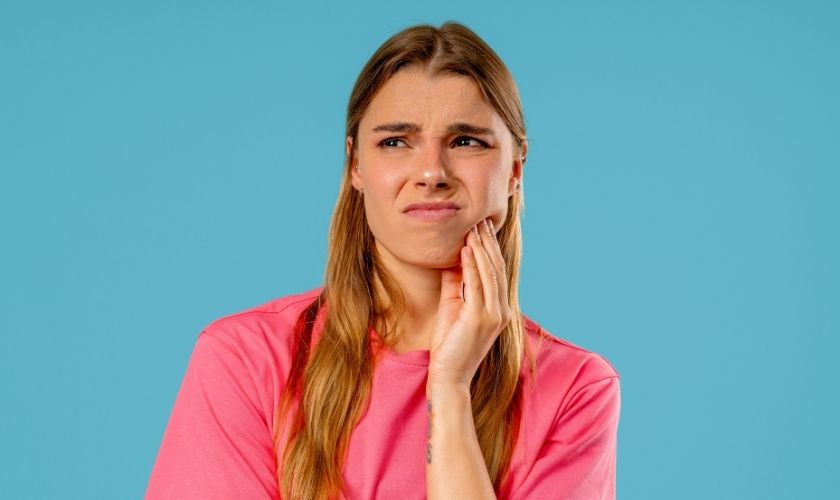


A chipped or broken tooth can happen when you least expect it. Whether it occurs during sports, while eating hard food, or after an accidental fall, knowing the difference between a chipped tooth and a broken tooth is important. While some dental injuries are minor, others require immediate attention to protect your oral health and prevent further damage. Understanding the signs can help you decide when it’s time to seek professional care.
At Dr. Max Zaslavsky, DMD, patients in Oakland Park receive prompt evaluation and treatment for a wide range of dental emergencies.
Chipped Tooth vs. Broken Tooth: Key Differences
Here are the primary differences between the two conditions:
Chipped Tooth
- Usually involves a small piece of enamel.
- May have little or no pain.
- Often cosmetic if the damage is minor.
- Can often be repaired with bonding or smoothing.
Broken Tooth
- Involves a significant fracture.
- Frequently causes pain and sensitivity.
- May expose the tooth’s inner tissues.
- Often requires more extensive treatment such as crowns or root canal therapy.
When Is It an Emergency?
Not every chipped tooth requires urgent care, but some situations should never be ignored. Seek immediate dental attention if:
- The tooth is split into multiple pieces.
- There is heavy bleeding that doesn’t stop.
- Severe pain prevents normal eating or speaking.
- The tooth is loose or partially knocked out.
- Swelling develops around the tooth or jaw.
- Sharp edges are cutting your tongue or cheeks.
These symptoms may indicate deeper damage that requires emergency dentistry in Oakland Park to preserve the tooth and reduce the risk of infection.
What Should You Do Right Away?
If you chip or break a tooth:
- Rinse your mouth gently with warm water.
- Save any broken tooth fragments if possible.
- Apply a cold compress to reduce swelling.
- Avoid chewing on the injured side.
- Cover sharp edges with dental wax or sugar-free gum if available.
- Contact your dentist as soon as possible for an examination.
Quick action often improves the chances of saving the tooth.
Treatment Options
The right treatment depends on the extent of the damage.
For chipped teeth, your dentist may recommend:
- Cosmetic bonding
- Tooth reshaping
- Porcelain veneers for visible front teeth
For broken teeth, treatment may include:
- Dental crowns
- Root canal therapy
- Tooth stabilization
- Extraction if the tooth cannot be restored
A thorough examination helps determine the most appropriate solution.
Can These Injuries Be Prevented?
Although accidents cannot always be avoided, you can lower your risk by:
- Wearing a mouthguard during sports.
- Avoiding chewing ice or hard objects.
- Treating teeth grinding with a custom nightguard.
- Maintaining regular dental checkups.
- Addressing cavities before they weaken the tooth.
Regular preventive care at a trusted dental office in Oakland Park can also identify weakened teeth before they become more vulnerable to fractures.
Protect Your Smile with Prompt Care
Ignoring a chipped or broken tooth can allow the damage to worsen over time. Early evaluation helps prevent pain, infection, and more extensive treatment later. If you experience a dental injury, Dr. Max Zaslavsky, DMD, is ready to assess the damage and recommend the most effective treatment. To schedule an emergency dental appointment in Oakland Park, call (954) 491-3544.
Frequently Asked Questions
1. Is a chipped tooth always painful?
A small chip may not hurt if only the enamel is affected. Larger chips can expose dentin, causing sensitivity to temperature changes, pressure, and sweet foods.
2. Can a broken tooth heal on its own?
No. Tooth enamel cannot regenerate. A broken tooth requires professional treatment to restore strength, reduce discomfort, and prevent infection.
3. How can I tell if my tooth is chipped or broken?
A chipped tooth usually has a small missing piece, while a broken tooth often has a larger fracture, pain when biting, or visible cracks extending deeper.
4. Should I keep the broken piece of my tooth?
Yes. If possible, save the fragment in a clean container or milk. In some cases, the dentist may be able to use it during the repair process.
5. What foods should I avoid after damaging a tooth?
Avoid hard, sticky, crunchy, or very hot and cold foods until your tooth is evaluated, as these may worsen the damage or increase sensitivity.
6. Can a chipped tooth become a bigger problem?
Yes. Even a minor chip can develop into a larger fracture if left untreated, especially when chewing or if the tooth is already weakened.
7. Are front teeth easier to repair than back teeth?
Treatment depends on the extent of damage rather than location. Front teeth often benefit from cosmetic bonding, while back teeth may require stronger restorations like crowns.

Join Our Diverse Patient Family
Experience exceptional dental services, tailored to the unique communities of Oakland Park, Ft. Lauderdale, Pompano Beach, and Coconut Creek. Schedule your visit today and join our diverse patient family.