3400 NE 12th Ave Ste B, Oakland Park, FL 33334



What Causes Gum Recession? Common Causes, Symptoms, and Treatment
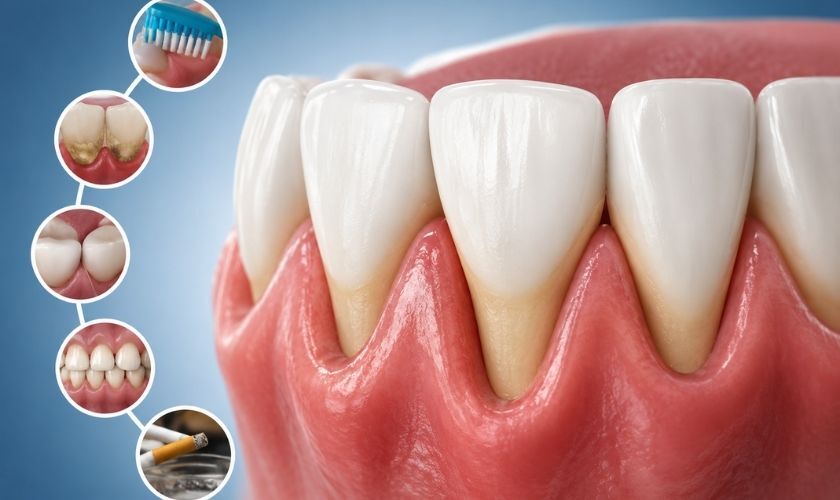


Gum recession occurs when the gum tissue surrounding a tooth gradually pulls back, exposing more of the tooth or its root. While it can happen at any age, receding gums should not be ignored because exposed tooth roots can become sensitive and more vulnerable to decay and other dental problems.
For patients in Oakland Park, understanding what causes gum recession can make it easier to recognize early warning signs and protect their oral health.
What Is Gum Recession?
Healthy gum tissue normally fits closely around the teeth and helps protect the underlying tooth structures. When the gumline moves downward or away from the tooth, the root surface may become visible. This can make teeth appear longer and may cause increased sensitivity when consuming hot, cold, sweet, or acidic foods.
Gum recession is not always painful, so it can develop gradually without being noticed. Regular dental examinations can help identify changes in gum tissue before they become more advanced.
Causes of Gum Recession?
Several factors can contribute to receding gums. In many cases, more than one factor may be involved.
1. Gum Disease
Periodontal disease is one of the most important causes of gum and bone tissue damage. Bacterial plaque can trigger inflammation and infection around the teeth. As the condition progresses, it can lead to loss of the tissues and bone that support teeth, with gum recession being one possible clinical sign.
Bleeding gums, persistent bad breath, swollen gums, or loose teeth can also indicate periodontal problems.
2. Brushing Too Aggressively
Brushing harder does not necessarily clean teeth better. Using excessive pressure or a hard-bristled toothbrush can contribute to irritation and gradual wear of the gumline.
A gentle brushing technique with a soft-bristled toothbrush can help clean the teeth while reducing unnecessary pressure on the gums.
3. Poor Oral Hygiene
When plaque remains around the teeth and gumline, it can contribute to inflammation. If plaque hardens into tartar, regular brushing cannot remove it effectively.
Consistent brushing, daily cleaning between the teeth, and professional dental cleanings can help reduce plaque accumulation and support healthier gums.
4. Tobacco Use
Smoking and other forms of tobacco use can negatively affect oral tissues and increase the risk of gum disease. Because periodontal disease can contribute to gum recession, tobacco use may indirectly increase the likelihood of developing receding gums.
Reducing or eliminating tobacco exposure is an important part of maintaining healthy gums.
5. Naturally Thin Gum Tissue
Some people naturally have thinner gum tissue or anatomical characteristics that make portions of the gumline more susceptible to recession. This means gum recession can sometimes occur even when a person maintains good oral hygiene.
Your dentist can evaluate the thickness and condition of your gum tissue and determine whether certain areas require closer monitoring.
6. Misaligned or Crowded Teeth
Teeth that are positioned outside the ideal alignment may have less protective gum and bone tissue in certain areas. This can make particular sections of the gumline more susceptible to recession.
Orthodontic history and the position of individual teeth may therefore be considered when determining why recession has developed.
7. Dental Habits and Trauma
Repeated trauma to the gums can contribute to recession. Habits such as aggressively picking at the gumline or applying excessive pressure during oral hygiene may irritate the tissues.
Addressing these habits early can help prevent additional damage.
Signs You May Have Receding Gums
Common signs of gum recession include:
- Teeth appearing longer than they previously did
- Visible tooth roots
- Increased sensitivity
- Notches or changes near the gumline
- Gum tenderness or irritation
- Bleeding during brushing or flossing
- Changes in the appearance of your smile
If you notice these changes, an examination can help determine whether gum recession is present and identify the underlying cause.
How Is Gum Recession Treated?
Treatment depends on how advanced the recession is and what caused it. Mild cases may be managed by improving oral hygiene techniques, controlling plaque and tartar, addressing contributing habits, and monitoring the gumline.
When recession is more significant, a dentist may recommend treatments designed to protect exposed roots or restore lost gum tissue. Gum grafting is one treatment option that may be considered in appropriate cases. The American Dental Association notes that dentists can help determine the cause of recession and recommend suitable treatment.
Early evaluation is important because treatment can vary considerably depending on whether the problem is related to gum disease, brushing technique, tooth position, anatomy, or another factor.
Caring for Your Gums in Oakland Park
Preventing gum recession starts with consistent oral care. Brush twice a day using a gentle technique, clean between your teeth daily, and maintain regular dental examinations. Avoid putting excessive pressure on your gums while brushing, and pay attention to changes such as sensitivity or a visibly changing gumline.
For personalized evaluation and preventive care in Oakland Park, Dr. Max Zaslavsky, DMD provides comprehensive dental services in a welcoming environment. The practice serves Oakland Park and surrounding communities and offers general, cosmetic, restorative, and other dental services.
About Dr. Max Zaslavsky
Dr. Max Zaslavsky is an Oakland Park dentist who leads a patient-focused dental practice serving the local community and surrounding areas.
His practice emphasizes personalized dental care, modern techniques, and a welcoming experience for patients with varied dental needs.
If you are noticing gum sensitivity, exposed roots, or changes in your gumline, Contact Us to learn more about your oral health options.
Taking care of your gums is an important part of protecting your teeth for the long term. If you have noticed possible signs of recession, visit our dental office for an evaluation and personalized guidance.
Frequently Asked Questions
- Can gum recession grow back naturally?
Gum tissue that has physically receded generally does not grow back on its own. However, treating the underlying cause and protecting the area can help prevent further recession and maintain the remaining gum tissue.
- Is gum recession always caused by brushing too hard?
No. Aggressive brushing can contribute, but gum disease, naturally thin gums, tooth position, tobacco use, and other factors may also cause or contribute to recession. A dental examination can help identify the cause.
- Can gum recession cause tooth sensitivity?
Yes. Recession can expose the tooth root, which does not have the same protective enamel covering as the crown. This exposure can make teeth more sensitive to cold, heat, sweets, or acidic foods.
- Is gum recession a sign of gum disease?
It can be. Periodontal disease damages the tissues supporting teeth and may cause gum recession. However, recession can also occur for other reasons, so an examination is needed to determine the underlying cause.
- How can I prevent gum recession?
Use a soft-bristled toothbrush, brush gently, clean between your teeth daily, and maintain regular dental checkups. Avoid habits that traumatize the gums and address signs of gum inflammation promptly.
- Can gum recession make teeth look longer?
Yes. As the gumline moves away from the crown, more of the tooth becomes visible, making the affected tooth appear longer. This change may occur gradually and can sometimes be easier to notice in photographs.
- Does gum recession always require surgery?
No. Treatment depends on the severity and cause. Some cases can be managed by improving oral hygiene and controlling contributing factors, while more advanced recession may require a procedure such as gum grafting.

Join Our Diverse Patient Family
Experience exceptional dental services, tailored to the unique communities of Oakland Park, Ft. Lauderdale, Pompano Beach, and Coconut Creek. Schedule your visit today and join our diverse patient family.