3400 NE 12th Ave Ste B, Oakland Park, FL 33334



Do Dental Implants Hurt? Understanding Pain During and After the Procedure
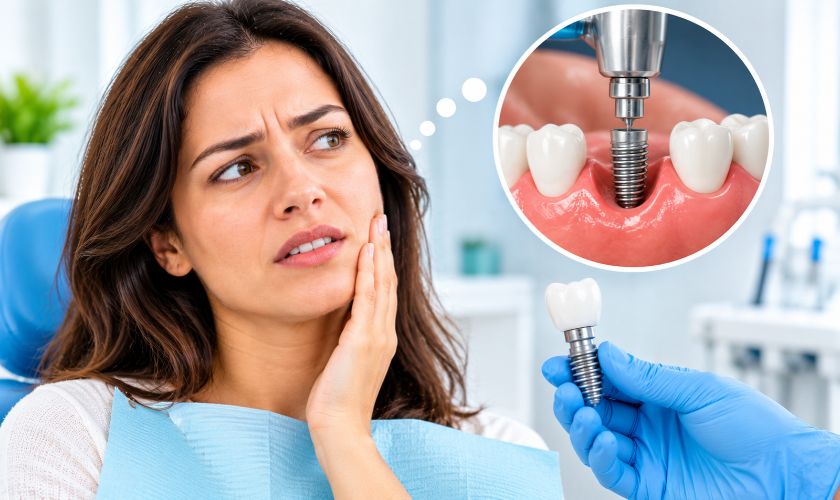


Missing teeth can affect your ability to chew, speak, and smile confidently. Dental implants offer a reliable way to replace missing teeth while supporting long-term oral health. However, one common concern people have before considering this treatment is whether dental implants hurt. The thought of undergoing oral surgery can make some patients nervous, especially if they are unfamiliar with the procedure.
The good news is that dental implant placement is generally well-tolerated. Modern dental techniques and local anesthesia help minimize discomfort during treatment. While some soreness is expected during recovery, most patients find it manageable with proper aftercare.
If you are considering dental implants in Oakland Park, understanding what happens during and after the procedure can help you feel more comfortable and prepared.
Do Dental Implants Hurt During the Procedure?
Dental implant placement is typically performed using local anesthesia to numb the treatment area. This means you should not feel sharp pain while the implant is being placed into your jawbone.
You may notice some pressure, vibration, or movement during certain stages of the procedure, but these sensations are generally not painful. Patients who experience dental anxiety can also discuss additional comfort options with their dental care provider before treatment.
The procedure involves placing a small titanium post into the jawbone, where it gradually integrates with the surrounding bone. This post acts as an artificial tooth root and provides a stable foundation for a replacement tooth.
An experienced dental implant specialist carefully evaluates your oral health and plans the procedure to support a comfortable treatment experience.
How Much Pain Should You Expect After Dental Implant Surgery?
Once the anesthesia wears off, you may experience mild to moderate discomfort around the surgical area. This is a normal part of the healing process and usually improves over the following days.
Common symptoms after implant placement include:
- Tenderness: The gums surrounding the implant may feel sensitive for a few days.
- Swelling: Some swelling around the cheeks or gums is common after surgery.
- Minor Bleeding: Slight bleeding or blood-tinged saliva may occur during the first 24 hours.
- Bruising: Some patients notice mild bruising around the treated area.
- Jaw Discomfort: Your jaw may feel sore, especially if you had multiple implants placed.
Most discomfort is strongest during the first 48 to 72 hours and gradually decreases. Your provider may recommend appropriate pain medication to help manage these symptoms.
However, persistent or worsening pain should not be ignored, as it may indicate an infection or another healing complication.
What Factors Affect Pain During Dental Implant Treatment?
Every patient has a different experience with dental implant surgery. Several factors can influence the amount of discomfort experienced during recovery.
1. Number of Implants
Patients receiving a single implant may experience less postoperative discomfort than those receiving multiple implants. More extensive treatment can involve additional healing time.
2. Bone Grafting Requirements
Some patients need bone grafting before or during implant placement. This additional procedure can increase temporary swelling and soreness.
3. Overall Oral Health
Healthy gums and sufficient jawbone support successful implant placement. Existing gum disease or infection may require treatment before surgery.
4. Individual Pain Sensitivity
People have different pain thresholds. Factors such as anxiety and previous dental experiences can also influence how comfortable someone feels during treatment.
How Can You Reduce Pain After Dental Implant Surgery?
Following your postoperative instructions is essential for a comfortable recovery. Simple habits can help reduce swelling, protect the surgical area, and support healing.
Here are some practical tips:
- Apply an Ice Pack: Use a cold compress on the outside of your cheek for short intervals during the first 24 hours.
- Eat Soft Foods: Choose yogurt, mashed potatoes, scrambled eggs, smoothies, and other soft foods while your gums heal.
- Avoid Smoking: Smoking can interfere with healing and increase the risk of implant complications.
- Maintain Oral Hygiene: Follow your provider’s instructions for brushing and cleaning around the surgical area.
- Take Prescribed Medication: Use recommended pain relief or other medications as directed.
- Get Enough Rest: Avoid strenuous physical activities during the initial recovery period.
Avoid chewing directly on the surgical site until your provider confirms that it is safe.
When Should You Be Concerned About Pain After Dental Implants?
Some discomfort is expected, but severe or increasing pain is not considered a normal part of recovery. Contact your dental care provider if you experience worsening swelling, persistent bleeding, fever, pus, or pain that does not improve with recommended medication.
Early evaluation can help identify potential complications, such as infection or problems with healing. Following scheduled checkups also allows your provider to monitor how well the implant is integrating with your jawbone.
Are Dental Implants Worth It Despite the Temporary Discomfort?
For many patients, dental implants are worth considering because they offer stability, functionality, and a natural-looking appearance. Unlike removable dentures, implants are anchored into the jawbone and can help preserve bone structure after tooth loss.
With proper oral hygiene and regular dental visits, implants can provide a long-lasting tooth replacement solution. Although temporary soreness is possible, the potential benefits often outweigh the short recovery period.
At Dr. Max Zaslavsky, DMD, patients in Oakland Park can explore tooth replacement options based on their individual oral health needs. Understanding the treatment process and recovery expectations can make the decision easier.
If you are thinking about replacing missing teeth, Contact Us to discuss your treatment options and learn whether dental implants are appropriate for your smile. You can also visit our dental office to discuss your concerns and receive guidance about the procedure.
Frequently Asked Questions
1. Do dental implants hurt more than tooth extraction?
Dental implant surgery does not necessarily hurt more than tooth extraction. Both procedures use local anesthesia, and postoperative discomfort depends on treatment complexity and individual healing.
2. How long does pain last after dental implant surgery?
Most patients experience the greatest discomfort during the first 48 to 72 hours. Mild soreness may continue for several days but should gradually improve as healing progresses.
3. Will I feel pain when the dental implant is placed?
Local anesthesia numbs the surgical area, so you should not feel sharp pain during implant placement. You may notice pressure or vibrations while the procedure is performed.
4. Can I go to work the day after dental implant surgery?
Many patients return to normal activities within a day or two. However, recovery depends on the complexity of surgery, and strenuous activities should be avoided initially.
5. Is swelling normal after dental implant placement?
Yes, mild swelling around the gums and cheeks is common after surgery. It generally peaks within two to three days before gradually decreasing.
6. What can I eat after getting dental implants?
Choose soft foods such as yogurt, mashed potatoes, scrambled eggs, oatmeal, and smoothies. Avoid hard, crunchy, sticky, or very hot foods during initial healing.
7. What happens if my dental implant hurts weeks after surgery?
Pain that develops or continues weeks after surgery should be evaluated. It may indicate infection, inflammation, or a healing issue that requires professional attention.

Join Our Diverse Patient Family
Experience exceptional dental services, tailored to the unique communities of Oakland Park, Ft. Lauderdale, Pompano Beach, and Coconut Creek. Schedule your visit today and join our diverse patient family.