3400 NE 12th Ave Ste B, Oakland Park, FL 33334



Why Is Plaque Control Important for Your Oral Health?
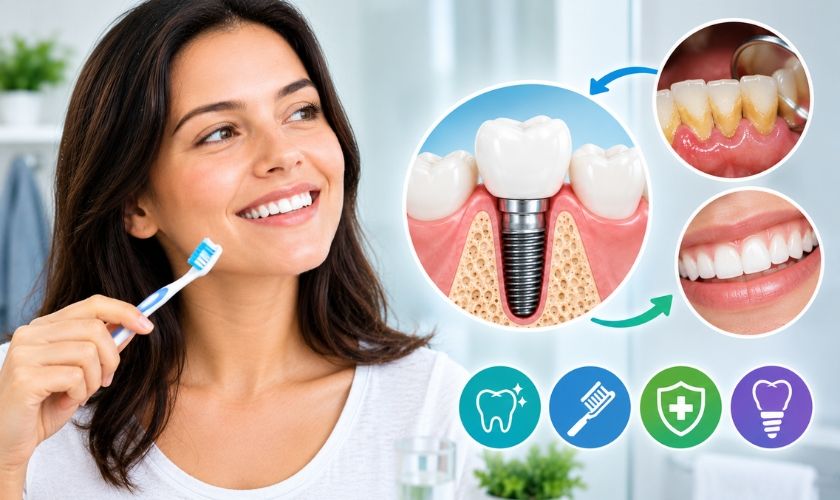


Maintaining a healthy smile involves more than brushing your teeth occasionally or visiting a dentist when something hurts. Daily oral hygiene plays an essential role in preventing common dental problems, and plaque control is one of the most important parts of that routine. Plaque can build up on teeth throughout the day, increasing the risk of cavities, gum inflammation, and other oral health concerns if it is not removed regularly.
For individuals and families in Oakland Park, understanding how plaque forms and how to control it can help protect natural teeth, maintain healthy gums, and support long-term dental wellness.
What Is Dental Plaque?
Dental plaque is a soft, sticky film of bacteria that constantly develops on the surfaces of your teeth and along the gumline. It forms when bacteria in your mouth mix with food particles and saliva. Sugary and starchy foods can provide fuel for these bacteria, allowing them to produce acids that gradually weaken tooth enamel.
Plaque is usually colorless or pale yellow, making it difficult to notice without careful observation. When it remains on teeth for too long, it can contribute to tooth decay and gum disease.
If plaque is not removed through proper brushing and flossing, it can harden into tartar, also known as calculus. Unlike soft plaque, tartar cannot be removed effectively with a regular toothbrush. Professional dental cleaning is necessary to eliminate this hardened buildup.
Why Is Plaque Control Important?
Controlling plaque is essential for maintaining healthy teeth and gums. Consistent oral hygiene helps reduce bacterial buildup and lowers the likelihood of several dental problems.
1. Helps Prevent Tooth Decay
Plaque bacteria feed on sugars and starches from the foods and drinks you consume. During this process, they release acids that attack tooth enamel. Repeated acid exposure can weaken enamel and eventually create cavities.
Brushing twice daily with fluoride toothpaste, limiting frequent sugary snacks, and cleaning between teeth can help minimize plaque accumulation and protect your teeth against decay.
2. Reduces the Risk of Gum Disease
Plaque buildup along the gumline can irritate gum tissue, causing redness, swelling, tenderness, and bleeding during brushing. These symptoms may indicate gingivitis, the earliest stage of gum disease.
Without proper care, gum disease can progress and damage the tissues and bone supporting your teeth. Effective plaque removal, combined with regular dental examinations, can help prevent gingivitis and reduce the risk of more serious periodontal problems.
3. Helps Prevent Bad Breath
Persistent bad breath, also called halitosis, can develop when bacteria accumulate in the mouth and break down food particles. This process may release unpleasant-smelling compounds that affect your breath.
Brushing your teeth and tongue, flossing daily, and drinking enough water can help reduce odor-causing bacteria. Keeping plaque under control also supports a cleaner mouth and fresher breath throughout the day.
4. Protects Long-Term Dental Health
Untreated plaque and tartar can contribute to recurring dental problems that require professional treatment. Cavities may need fillings, while advanced gum disease can require more extensive periodontal care.
Maintaining an effective oral hygiene routine helps reduce these risks and supports the health of your natural teeth. For Oakland Park residents, preventive dental care can also help identify early warning signs before they develop into more complicated issues.
How Can You Control Plaque Every Day?
Developing consistent oral hygiene habits is one of the most effective ways to manage plaque. Simple daily practices can make a meaningful difference in your oral health.
Brush twice a day: Use a soft-bristled toothbrush and fluoride toothpaste. Brush for two minutes, paying attention to the gumline, back teeth, and other areas where plaque tends to collect.
Floss daily: A toothbrush cannot effectively reach every surface between your teeth. Use dental floss or an appropriate interdental cleaner to remove food particles and plaque from these spaces.
Limit sugary foods and drinks: Frequent consumption of sweets, sugary beverages, and refined carbohydrates can encourage acid production by plaque bacteria. Choose balanced meals and limit between-meal snacking when possible.
Consider an antimicrobial mouthwash: Depending on your needs, a dentist may recommend a therapeutic mouthwash to help reduce bacteria or manage specific oral health concerns. Mouthwash should complement, rather than replace, brushing and flossing.
Replace your toothbrush regularly: Change your toothbrush approximately every three to four months, or sooner if the bristles become frayed. A worn toothbrush may be less effective at removing plaque.
Schedule professional dental cleanings: Even with excellent home care, plaque can accumulate in difficult-to-reach areas and harden into tartar. Professional cleanings help remove these deposits and allow your dental team to assess your gum health.
When Should You Seek Professional Dental Care?
Bleeding gums, persistent bad breath, swollen gum tissue, and visible deposits near the gumline can indicate that your current plaque-control routine needs attention. These symptoms may also signal underlying dental conditions that require professional evaluation.
Avoid ignoring recurring gum bleeding or discomfort simply because the symptoms seem mild. Early assessment can help identify the cause and determine the most appropriate treatment.
At Dr. Max Zaslavsky, DMD, patients can learn about preventive dental care and the importance of maintaining healthy teeth and gums. Regular examinations and personalized oral hygiene recommendations can help you develop habits suited to your individual needs.
If you have questions about your oral hygiene routine or notice changes in your gums, contact us to learn more about available dental care options.
Keep Your Smile Healthy With Consistent Plaque Control
Plaque control is a fundamental part of protecting your oral health. By brushing properly, flossing daily, making thoughtful dietary choices, and attending routine dental appointments, you can reduce the risk of cavities, gum disease, and bad breath.
Taking these preventive steps consistently can help you maintain a healthier smile for years to come. If you live in Oakland Park, remember that professional guidance and good home care work together to support lasting oral health. Make time to visit our dental office for preventive care and recommendations that can help keep your teeth and gums in good condition.
Frequently Asked Questions
- What happens if dental plaque is not removed?
When plaque remains on your teeth, its bacteria produce acids that can damage enamel and irritate gums. Over time, plaque may harden into tartar, increasing the risk of cavities, gingivitis, and periodontal disease.
- How often should I brush my teeth to control plaque?
Brush your teeth twice daily for two minutes using fluoride toothpaste and a soft-bristled toothbrush. Pay attention to the gumline and back teeth, where plaque can accumulate, and clean between your teeth every day.
- Can dental plaque turn into tartar?
Yes, plaque can harden into tartar when it remains on teeth and combines with minerals in saliva. Tartar is difficult to remove at home and generally requires professional dental cleaning to eliminate it safely.
- Does flossing help remove plaque?
Yes, flossing removes plaque and food particles from between teeth and beneath the gumline, where toothbrush bristles may not reach effectively. Daily flossing helps reduce gum inflammation and supports healthier teeth and gums.
- Can plaque cause bad breath?
Yes, plaque contains bacteria that break down food particles and release unpleasant-smelling compounds. Regular brushing, tongue cleaning, daily flossing, and adequate hydration can help reduce bacteria and improve breath freshness.
- How often should I get professional dental cleanings?
Many people benefit from professional dental cleanings every six months. However, individuals with gum disease or a higher risk of plaque buildup may need more frequent visits, depending on their dentist’s recommendations.
- Can mouthwash replace brushing and flossing?
No, mouthwash cannot replace brushing and flossing because it does not effectively remove all plaque from tooth surfaces and between teeth. It can complement daily cleaning when selected according to your oral health needs.

Join Our Diverse Patient Family
Experience exceptional dental services, tailored to the unique communities of Oakland Park, Ft. Lauderdale, Pompano Beach, and Coconut Creek. Schedule your visit today and join our diverse patient family.