3400 NE 12th Ave Ste B, Oakland Park, FL 33334



Root Canal Recovery: What to Expect After Treatment
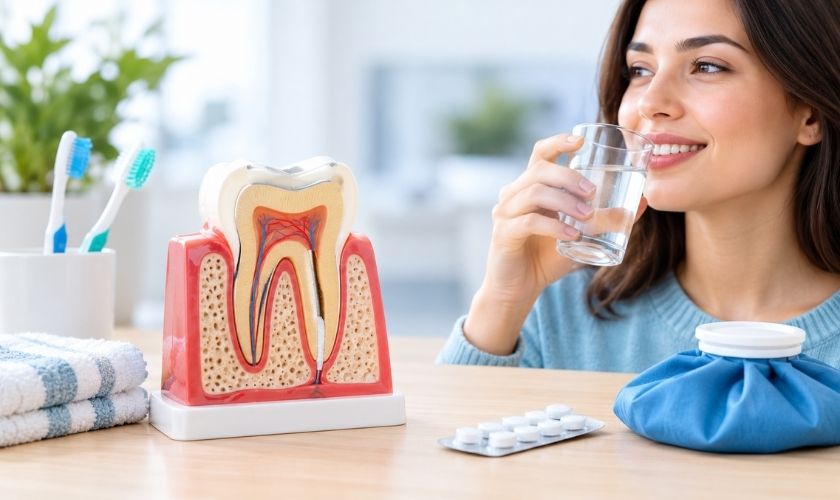


Root canal treatment is a common dental procedure that helps save a damaged or infected tooth while relieving discomfort. Although the procedure is designed to remove infection and protect the natural tooth, the recovery period is equally important for achieving a comfortable and successful outcome. Understanding what happens after treatment can help you manage tenderness, choose suitable foods, and return to your regular routine with confidence.
For patients in Oakland Park, FL, knowing how to care for a treated tooth can make the days following the procedure easier. With proper oral hygiene, appropriate pain management, and guidance from your dental professional, most people recover without significant complications.
What Happens During Root Canal Recovery?
After a root canal, the inner portion of the tooth is cleaned, disinfected, and sealed. The tooth may then receive a temporary filling or a permanent restoration, depending on the treatment plan. Although the infected tissue has been removed, the surrounding gums and tissues may remain sensitive for a short time.
It is normal to experience mild tenderness when biting or chewing, particularly during the first few days. Some people also notice slight gum soreness or sensitivity around the treated tooth. These symptoms generally improve gradually as the area heals.
Recovery varies from person to person. The condition of the tooth before treatment, the severity of the infection, and whether additional procedures were necessary can influence healing time.
How Long Does Root Canal Recovery Take?
Most patients can resume many normal activities on the same day or the following day, depending on how they feel. However, complete comfort may take several days, and tenderness around the treated tooth can occasionally last one to two weeks.
Here is a general recovery timeline:
- First 24 hours: Numbness may persist for a few hours after the appointment. Mild soreness can develop as the anaesthetic wears off.
- Days 2–3: Tenderness during chewing may continue, but discomfort should generally begin to improve.
- Days 4–7: Most patients notice a significant reduction in soreness and can gradually return to their usual eating habits.
- After one week: The tooth should feel increasingly comfortable. Persistent or worsening symptoms may require a dental evaluation.
These timeframes are general estimates rather than guarantees. A severe infection or complicated procedure may require additional healing time.
Tips for a Smooth Root Canal Recovery
Following a few practical precautions can help protect the treated tooth and minimise discomfort.
1. Choose Soft and Easy-to-Chew Foods
During the initial recovery period, eat foods that require minimal chewing. Options include yoghurt, mashed potatoes, scrambled eggs, oatmeal, soups that are not too hot, and soft-cooked vegetables.
Avoid hard, crunchy, sticky, or chewy foods that could damage a temporary filling or place excessive pressure on the tooth. Try chewing on the opposite side of your mouth until your dentist confirms that the treated tooth can handle normal chewing.
2. Take Medication as Directed
Your dentist may recommend an appropriate over-the-counter pain reliever based on your medical history and individual needs. Follow the product instructions and your dentist’s advice carefully.
Do not place aspirin directly against the tooth or gums, as this can irritate the tissues. Antibiotics are not routinely required after every root canal and should only be taken when prescribed for a specific reason.
3. Maintain Good Oral Hygiene
Keeping your mouth clean helps prevent additional dental problems during recovery. Brush twice daily using a soft-bristled toothbrush and fluoride toothpaste. Continue flossing gently around the treated tooth, taking care not to disturb the surrounding tissues.
Good oral hygiene remains important even if the tooth feels sensitive. Avoid brushing aggressively or neglecting the area because of temporary discomfort.
4. Avoid Putting Pressure on the Tooth
If your tooth has a temporary filling or has not yet received its final restoration, avoid chewing hard foods on that side. Excessive pressure can damage the weakened tooth or dislodge the temporary material.
Attend your scheduled follow-up appointment to complete the restoration. Many back teeth benefit from a dental crown because it helps protect them against cracking during normal chewing.
5. Give Your Body Time to Rest
Most patients do not need extended downtime after a routine procedure. Nevertheless, taking it easy for the remainder of the day may help if you feel tired or uncomfortable.
Avoid strenuous activity if you feel unwell or if your dentist recommends limiting exercise. Drink enough water and get adequate sleep to support your general recovery.
Is Pain Normal After Root Canal Treatment?
Some discomfort after root canal treatment is expected, especially when biting down or touching the area around the tooth. The tissues surrounding the root may have been inflamed before the procedure, and they need time to settle.
However, severe pain is not something to ignore. Contact your dental provider if discomfort becomes worse instead of better, pain relief does not help, or the tooth feels unusually high when you bite. These symptoms may indicate that the bite needs adjustment or that further evaluation is necessary.
Swelling inside or outside the mouth, fever, or drainage with an unpleasant taste may indicate a complication. Seek prompt dental care if these symptoms occur. Rapidly spreading facial or neck swelling, or difficulty breathing or swallowing, requires emergency medical attention.
Why Is the Final Restoration Important?
Completing the recommended restoration is an essential part of protecting a root canal-treated tooth. Although the procedure removes infection from inside the tooth, the remaining tooth structure may be more vulnerable to fractures, particularly when significant decay or damage was present.
Your dentist will determine whether a permanent filling, crown, or another restoration is appropriate. The decision depends on the tooth’s location, the amount of remaining structure, and the forces placed on it during chewing.
Delaying the final restoration can increase the risk of damage or reinfection. Follow your treatment schedule even if the tooth feels completely normal.
Patients seeking root canal treatment in Oakland Park, FL, should understand that successful care involves both treating the underlying problem and protecting the tooth afterward. Consistent follow-up and good daily habits help support long-term results.
When Should You Visit Your Dentist?
Mild sensitivity that steadily improves is generally part of the healing process. However, ongoing or worsening symptoms deserve professional attention.
Arrange a dental evaluation if you experience persistent swelling, severe or increasing pain, a loose or damaged temporary filling, or symptoms that return after initially improving. Your dentist can check the treated tooth, evaluate your bite, and determine whether additional care is needed.
At Dr. Max Zaslavsky, DMD, patients can discuss their recovery concerns and learn about appropriate follow-up care for maintaining their oral health. If you have questions about your symptoms or your next appointment, contact us to discuss your concerns with the dental team.
Frequently Asked Questions
- How many days does it take to recover from a root canal?
Most people feel considerably better within a few days, although mild tenderness can last one to two weeks. Recovery depends on the infection’s severity, the tooth’s condition, and the treatment performed.
- Can I eat normally after a root canal?
You can usually eat once the numbness wears off, but soft foods are best initially. Avoid hard, sticky, or crunchy foods and minimise pressure on the treated tooth until the permanent restoration is completed.
- Is it normal for a tooth to hurt after a root canal?
Mild soreness or tenderness when biting is common during the first few days. Pain should gradually improve. Severe, persistent, or worsening discomfort may indicate a problem that needs professional evaluation.
- Can I brush my teeth after root canal treatment?
Yes, you can generally brush your teeth the same day. Use a soft-bristled toothbrush and gentle movements around the treated area. Continue flossing carefully and follow any additional instructions provided by your dentist.
- When can I return to work after a root canal?
Many patients return to work the same day or the next day after routine treatment. Your schedule may depend on discomfort, the type of procedure, and whether sedation was used during the appointment.
- Why does my tooth hurt when I bite after a root canal?
Tenderness may occur because the tissues around the tooth root remain inflamed. If biting pain persists, worsens, or makes the tooth feel higher than others, your dentist may need to check the bite and healing progress.
- What should I avoid during root canal recovery?
Avoid chewing hard or sticky foods on the treated tooth, smoking, and disturbing a temporary filling. Do not ignore increasing pain or swelling, and postpone strenuous activities if you feel unwell or have been advised to rest.

Join Our Diverse Patient Family
Experience exceptional dental services, tailored to the unique communities of Oakland Park, Ft. Lauderdale, Pompano Beach, and Coconut Creek. Schedule your visit today and join our diverse patient family.