3400 NE 12th Ave Ste B, Oakland Park, FL 33334



Soft Food Diet After Oral Surgery: What to Eat and Avoid
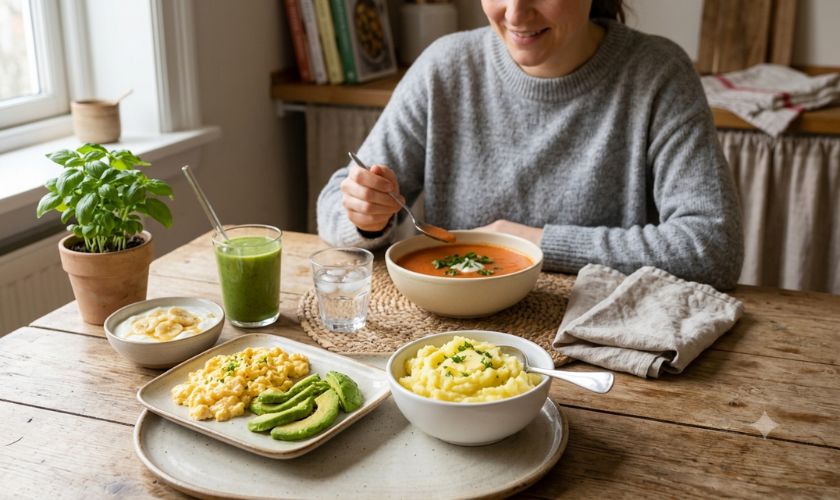


Recovering after oral surgery requires proper care, adequate rest, and a diet that supports healing. Whether you have undergone a tooth extraction, dental implant placement, gum surgery, or another oral procedure, choosing the right foods can help reduce discomfort and protect the surgical site. A soft food diet after oral surgery is especially important during the first few days because your mouth may feel tender, swollen, or sensitive.
For patients in Oakland Park, FL, understanding which foods to eat and which to avoid can make the recovery process more comfortable. By following your dentist’s instructions and making thoughtful food choices, you can support healing while maintaining adequate nutrition.
Why Is a Soft Food Diet Important After Oral Surgery?
After oral surgery, the tissues in your mouth need time to recover. Chewing hard or crunchy foods can irritate the surgical area, increase discomfort, and potentially disturb the blood clot that forms after a tooth extraction. This clot is essential for healing and helps protect the underlying bone and nerves.
Soft foods require less chewing, making meals easier to manage while your mouth heals. They can also help you obtain important nutrients without putting unnecessary pressure on the treated area.
Your recommended diet may vary depending on the procedure. For example, patients recovering from wisdom tooth removal may need to avoid certain foods longer than those who have undergone minor gum treatment. Always follow the specific dietary instructions provided by your dental professional.
Best Foods to Eat After Oral Surgery
Choosing nutritious, easy-to-chew foods can help you stay comfortable and maintain your energy during recovery.
1. Yogurt and Soft Dairy Products
Plain yogurt is an excellent option because it is smooth, easy to swallow, and provides protein and calcium. Pudding, cottage cheese, and soft cheese may also be suitable choices.
Choose products without hard granola, seeds, or crunchy toppings that could irritate the surgical site. If you have been advised to avoid dairy for a particular medical reason, consider suitable alternatives.
2. Mashed Potatoes
Mashed potatoes provide energy and are easy to eat without extensive chewing. Prepare them until smooth, adding a little milk, broth, or another suitable liquid to achieve a soft consistency.
Allow them to cool until lukewarm before eating. Very hot foods can irritate sensitive tissues, particularly during the early stages of healing.
3. Scrambled Eggs
Soft scrambled eggs provide protein, which supports tissue repair. Cook them until tender rather than dry or crispy. You can enjoy them for breakfast or as a light meal when chewing becomes more comfortable.
Avoid adding crunchy ingredients or spices that irritate.
4. Smooth Soups and Broths
Blended vegetable soup, smooth pumpkin soup, and lukewarm broth are convenient ways to maintain fluid intake and obtain nutrients. Make sure soups do not contain hard vegetable pieces, seeds, or other ingredients that require substantial chewing.
Avoid consuming soup while it is very hot. If you have undergone a procedure involving specific dietary restrictions, confirm which liquids are appropriate with your dentist.
5. Oatmeal and Soft Cereals
Well-cooked oatmeal can be a satisfying breakfast choice. Prepare it with enough liquid to make it soft and easy to swallow. Allow it to cool before eating.
Avoid adding nuts, seeds, or dried fruit during the initial recovery period because these ingredients can become trapped near the surgical site.
6. Smoothies and Blended Foods
Smoothies made with soft fruits, yogurt, or suitable milk alternatives can provide vitamins and calories. Blend ingredients thoroughly to remove chunks and avoid adding seeds that may become lodged in the healing area.
Do not use a straw after tooth extraction or other procedures when suction is restricted. The suction can dislodge a blood clot and increase the risk of dry socket. Eat blended foods with a spoon when appropriate.
7. Soft Fish and Well-Cooked Vegetables
As tenderness improves, flaky fish and thoroughly cooked vegetables can help expand your food choices. Ensure fish is soft and free of bones, and cook vegetables until they can be easily mashed with a fork.
Introduce these foods gradually, following your dentist’s guidance about when chewing can resume.
Foods to Avoid After Oral Surgery
Some foods can irritate the surgical site, interfere with healing, or increase discomfort. During the early recovery period, avoid the following:
- Hard and crunchy foods: Chips, popcorn, nuts, hard crackers, and raw carrots can injure sensitive tissues.
- Sticky foods: Chewy sweets, caramel, and chewing gum may place pressure on the surgical area.
- Spicy foods: Hot sauces and heavily spiced meals can cause irritation.
- Acidic foods: Citrus fruits, vinegar-based dressings, and highly acidic juices may sting sensitive tissues.
- Very hot foods and drinks: Excessive heat can aggravate discomfort, especially soon after surgery.
- Alcohol: Alcohol may interfere with healing and interact with prescribed medications. Avoid it according to your dentist’s instructions.
- Straws: Suction can disturb the blood clot after an extraction, so avoid using them for the period recommended by your dentist.
Smoking and vaping should also be avoided during recovery because they can impair healing and increase the risk of complications.
How Long Should You Follow a Soft Food Diet?
The length of time depends on the type of oral surgery, the complexity of the procedure, and your individual healing progress. Many patients need a soft diet for several days, while more involved procedures may require dietary restrictions for one or more weeks.
During the first 24 hours after an extraction, follow your dentist’s instructions carefully and choose cool or lukewarm, soft foods when permitted. Gradually introduce foods with more texture as pain and swelling improve.
Do not rush back to your normal diet simply because you feel better. If chewing causes pain or bleeding, return to softer foods and seek advice from your dental professional if symptoms persist.
Tips for Eating Comfortably During Recovery
A few simple habits can make mealtimes easier after oral surgery:
- Eat smaller meals more frequently if your mouth feels sore.
- Chew away from the surgical site when your dentist says chewing is appropriate.
- Drink water regularly, but avoid vigorous rinsing immediately after surgery.
- Maintain balanced nutrition with soft sources of protein, vitamins, and minerals.
- Follow your prescribed pain management and oral hygiene instructions.
- Keep the surgical area clean according to your dentist’s recommendations.
Contact your dental professional if you experience worsening pain, persistent bleeding, increasing swelling, fever, or an unpleasant taste accompanied by other symptoms. Difficulty breathing or swallowing requires emergency medical attention.
Recovering With the Right Dental Guidance
A carefully planned soft food diet can make recovery after oral surgery more comfortable while helping you obtain the nutrients needed for healing. Foods such as yogurt, mashed potatoes, scrambled eggs, smooth soups, and blended meals offer practical choices during the initial recovery period.
Patients receiving care from Dr. Max Zaslavsky, DMD, should follow their individual post-operative instructions because dietary needs differ according to the procedure performed. If you have questions about food choices, healing progress, or returning to your regular diet, contact your dental care provider for personalized guidance.
With appropriate nutrition, good oral hygiene, and careful attention to recovery instructions, you can help protect the surgical site and return to your usual eating habits safely. If you need clarification about your recovery plan in Oakland Park, FL, contact us to discuss your concerns with the dental team.
When planning future dental treatment or seeking guidance about post-operative care, remember to visit our dental clinic for professional advice tailored to your oral health needs.
Frequently Asked Questions
- What can I eat on the first day after oral surgery?
On the first day, choose cool or lukewarm soft foods such as yogurt, applesauce, smooth mashed potatoes, and pudding when permitted. Avoid hot meals, crunchy foods, and anything requiring vigorous chewing.
- Can I eat rice after oral surgery?
Rice may be difficult to manage immediately after surgery because individual grains can become trapped near the wound. Wait until your dentist says it is appropriate, and choose softer foods during the early healing period.
- How long should I avoid solid foods after tooth extraction?
Many patients gradually resume more solid foods over several days, but recovery varies. Follow your dentist’s instructions and avoid foods that cause pain or could disturb the blood clot or healing tissues.
- Are eggs good to eat after oral surgery?
Yes, soft scrambled eggs are a useful source of protein that supports tissue repair. Prepare them until tender, allow them to cool, and avoid crispy edges or ingredients that require extensive chewing.
- Can I drink coffee after oral surgery?
Follow your dentist’s instructions regarding coffee, particularly during the first day. Avoid very hot beverages, and be cautious with caffeine if it worsens discomfort or conflicts with your prescribed medication.
- Is ice cream safe after oral surgery?
Smooth ice cream may feel soothing because it is cold and soft, but avoid hard mix-ins, nuts, and crunchy pieces. Choose options without irritating ingredients and prioritise nutritious foods that support healing.
- What should I do if food gets stuck near the surgical site?
Do not poke the area with fingers, toothpicks, or other objects. Follow your dentist’s cleaning instructions, including when gentle rinsing may begin, and seek advice if the food remains trapped or discomfort increases.

Join Our Diverse Patient Family
Experience exceptional dental services, tailored to the unique communities of Oakland Park, Ft. Lauderdale, Pompano Beach, and Coconut Creek. Schedule your visit today and join our diverse patient family.