3400 NE 12th Ave Ste B, Oakland Park, FL 33334



How to Reduce Gum Swelling: Simple Ways to Protect Your Oral Health
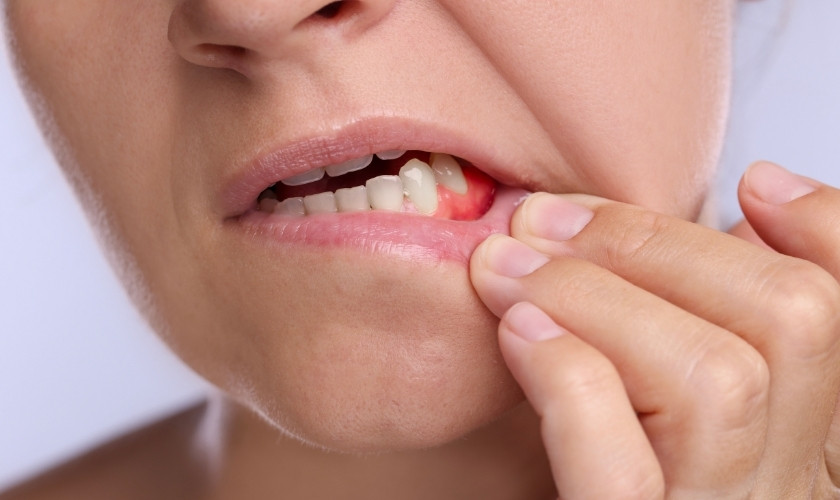


Swollen gums are a common dental issue that many people experience at some point in their lives. The condition can range from mild irritation to severe inflammation that affects eating, speaking, and overall comfort. Gum swelling often signals that your mouth needs attention, and ignoring the symptoms may lead to more serious oral health concerns over time.
People in Oakland Park frequently deal with gum irritation caused by plaque buildup, food particles, infections, or improper oral hygiene habits. Understanding the causes and learning effective ways to reduce gum swelling can help maintain healthier teeth and gums.
What Causes Gum Swelling?
Gum swelling usually develops when bacteria accumulate around the gumline. If plaque is not removed through proper brushing and flossing, it can irritate the tissues and trigger inflammation. Other common causes include:
- Gingivitis or early gum disease
- Food stuck between teeth
- Aggressive brushing
- Hormonal changes
- Vitamin deficiencies
- Smoking or tobacco use
- Dental infections or abscesses
- Ill-fitting dental appliances
In some cases, swollen gums may also result from stress or certain medications that affect oral tissues.
Improve Your Daily Oral Hygiene Routine
One of the most effective ways to reduce gum swelling is maintaining a consistent oral hygiene routine. Brush your teeth at least twice daily using a soft-bristled toothbrush. Gentle brushing removes plaque without irritating sensitive gums.
Flossing is equally important because it clears food particles and bacteria from areas that a toothbrush cannot reach. Using an antibacterial mouthwash may also help decrease bacteria and soothe inflamed gums.
Rinse With Warm Salt Water
A warm saltwater rinse is a simple home remedy that may reduce gum inflammation and discomfort. Salt helps cleanse the mouth and temporarily limits bacterial growth.
To prepare the rinse:
- Mix half a teaspoon of salt into a glass of warm water
- Swish gently for about 30 seconds
- Repeat two to three times daily
Although this method can provide relief, it should not replace professional dental care if swelling persists.
Stay Hydrated Throughout the Day
Dry mouth can increase bacterial growth and contribute to irritated gums. Drinking enough water supports saliva production, which naturally cleans the mouth and helps remove harmful bacteria.
Avoid excessive sugary drinks and acidic beverages because they may worsen gum irritation. Staying hydrated is especially important during hot weather and after physical activity.
Eat Foods That Support Gum Health
Nutrition has a direct impact on oral health. A balanced diet rich in vitamins and minerals helps strengthen gum tissues and supports healing.
Foods beneficial for gum health include:
- Leafy greens
- Citrus fruits rich in vitamin C
- Dairy products with calcium
- Crunchy vegetables like carrots and celery
- Nuts and seeds
Limiting sugary snacks can also reduce plaque formation and gum irritation.
Avoid Tobacco Products
Smoking and tobacco use significantly increase the risk of gum disease and delayed healing. Tobacco restricts blood flow to the gums, making it harder for tissues to recover from inflammation.
Reducing or quitting tobacco products may improve gum health and lower the likelihood of chronic swelling and infection.
Use Cold Compresses for Temporary Relief
If gum swelling is causing discomfort, applying a cold compress to the outside of the cheek may help reduce inflammation. Cold temperatures can temporarily numb the area and minimize swelling.
Apply the compress for about 10 to 15 minutes at a time while avoiding direct contact with the gums.
Know When to Visit a Dentist
Persistent gum swelling should never be ignored. If symptoms last longer than a few days or are accompanied by pain, bleeding, pus, or loose teeth, professional evaluation is necessary.
A dental office in Oakland Park can identify the underlying cause of gum inflammation and recommend appropriate treatment options. Professional cleanings remove hardened plaque and tartar that cannot be eliminated with brushing alone.
In more advanced cases, deeper periodontal treatment may be needed to restore gum health and prevent further complications.
Professional Care Can Prevent Long-Term Problems
Routine dental visits are essential for maintaining healthy gums. Early detection allows dentists to treat minor gum irritation before it progresses into periodontal disease.
Dr. Max Zaslavsky, DMD, understands the importance of preventive care and personalized treatment plans for patients experiencing gum concerns. Regular examinations, cleanings, and proper home care guidance can greatly reduce the risk of long-term dental issues.
Many patients also check our patient reviews when choosing a trusted provider for ongoing oral health care and gum treatment solutions.
Tips to Prevent Gum Swelling in the Future
Preventing gum swelling is often easier than treating it later. Here are some practical habits that support healthy gums:
- Brush gently twice daily
- Floss every day
- Replace your toothbrush every three months
- Schedule routine dental cleanings
- Limit sugary foods and beverages
- Drink plenty of water
- Avoid smoking and tobacco use
Consistently following these steps can help maintain stronger gums and reduce inflammation.
Final Thoughts
Gum swelling is a warning sign that should not be overlooked. While mild irritation can sometimes improve with better oral hygiene and home remedies, ongoing inflammation may indicate a deeper dental problem. Taking early action can help protect your gums, teeth, and overall oral health.
Whether you need preventive care or treatment for gum concerns, finding the right dental practice is important for maintaining a healthy smile. If you are experiencing persistent gum swelling, it may be time to book an appointment and receive professional guidance tailored to your needs.
Frequently Asked Questions
1. What are the common signs of swollen gums?
Swollen gums may appear red, tender, puffy, or bleed during brushing and flossing. Some people also notice sensitivity, discomfort, or bad breath alongside inflammation.
2. Can poor brushing habits cause gum swelling?
Yes, improper brushing or skipping flossing allows plaque and bacteria to build up near the gums, leading to irritation, inflammation, and possible gum disease.
3. How long does mild gum swelling usually last?
Minor gum swelling may improve within a few days with proper brushing, flossing, hydration, and saltwater rinses if no serious infection is present.
4. Does stress affect gum health?
Stress can weaken the immune response and increase inflammation in the body, which may make gums more vulnerable to irritation and infection.
5. Are swollen gums always a sign of gum disease?
Not always. Swelling can result from food particles, irritation, hormonal changes, or vitamin deficiencies, though gum disease is a frequent cause.
6. Can mouthwash help reduce gum inflammation?
Antibacterial mouthwash may help lower bacteria levels in the mouth and reduce mild inflammation when combined with good oral hygiene habits.
7. Why are regular dental cleanings important for gum health?
Professional cleanings remove tartar and plaque buildup that daily brushing cannot eliminate, helping reduce inflammation and support healthier gums.

Join Our Diverse Patient Family
Experience exceptional dental services, tailored to the unique communities of Oakland Park, Ft. Lauderdale, Pompano Beach, and Coconut Creek. Schedule your visit today and join our diverse patient family.